
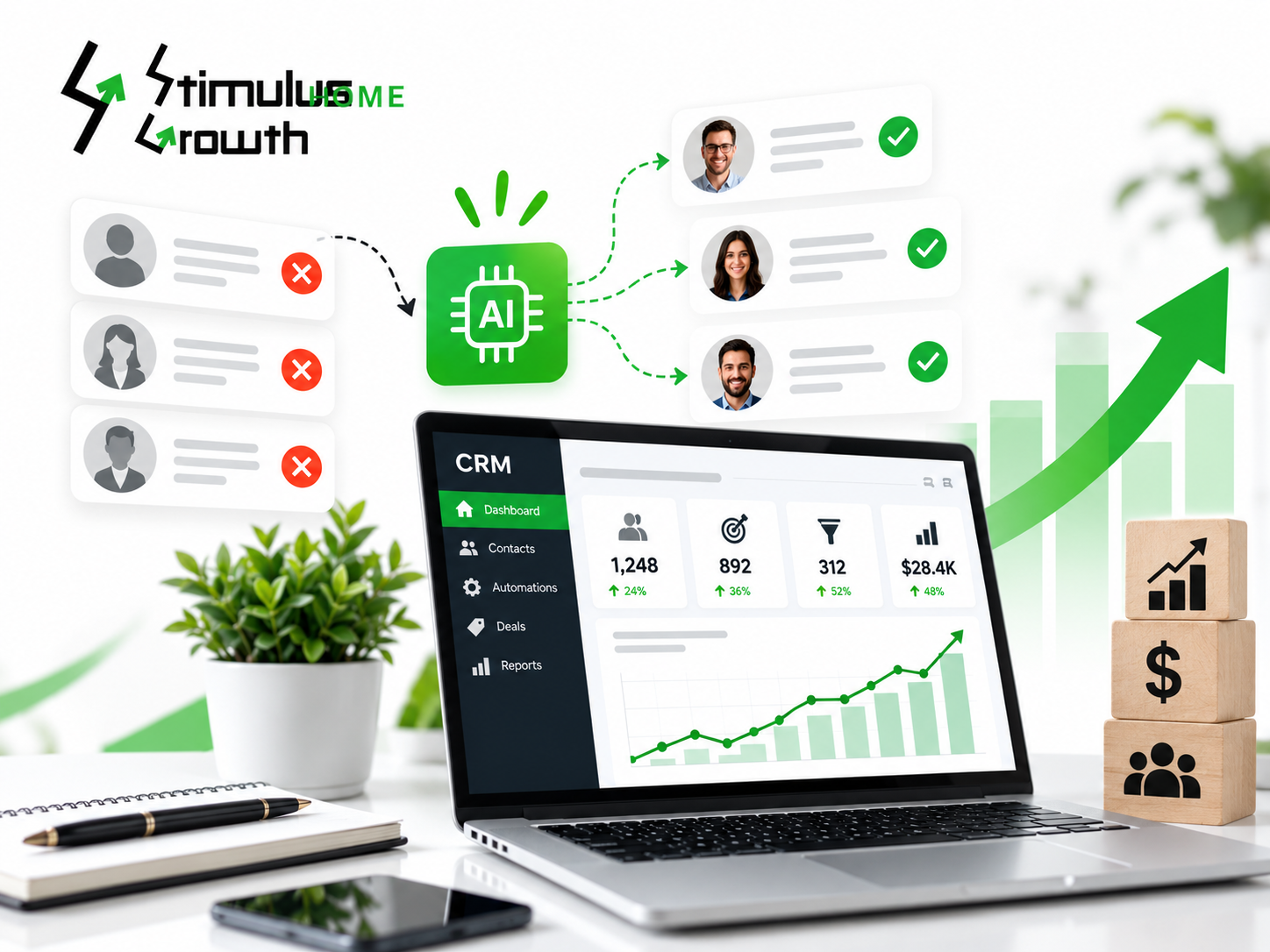
Modern revenue growth rarely fails at the top of the funnel. B2B marketing teams spend thousands generating qualified inbound leads with a digital growth agency, only to see pipeline revenue slip away inside the CRM. Reps forget to log touchpoints, manual tasks delay initial outreach, and warm inquiries grow cold while waiting for a response.
To fix lead leakage and maintain predictable deal velocity, forward-thinking sales organizations are shifting away from static database management. Deploying AI-powered CRM automation 2026 architecture transforms administrative sales tracking into an active, automated revenue engine.
1. The Hidden Revenue Leak: Why Traditional Sales Teams Miss Follow-Ups
The primary cause of lost pipeline revenue in B2B organizations is a breakdown in response speed and follow-up consistency. When inbound leads reach a sales team, conversion probability decreases dramatically with every passing hour. Yet, traditional manual workflows inherently create delays.
Sales representatives spend hours updating fields, logging call notes, and manually drafting routine email templates. This heavy administrative burden diverts time away from high-value selling conversations, leading directly to dropped touchpoints.
Without structured systems for preventing missed sales follow-ups, prospects naturally seek solutions elsewhere. Inbound leads are routinely assigned to busy reps without automated tracking, allowing warm sales opportunities to quietly vanish from active pipelines.
2. How AI Transforms Static CRMs into Proactive Sales Engines
Traditional CRMs function as passive file cabinets that require manual human updates to track pipeline activity. In contrast, AI-driven architectures process inbound intent signals, user engagement patterns, and historical CRM activity to automatically trigger relevant next steps.
By analyzing multi-channel interactions, artificial intelligence evaluates prospect intent in real time, drafting personalized responses and scheduling appropriate follow-up tasks instantly.
Partnering with an experienced digital growth agency allows growth leads to clean underlying pipeline data, eliminate workflow bottlenecks, and build reliable custom automation logic directly inside their existing sales stacks.
| Operational Metric | Manual CRM Workflow | AI-Powered CRM Automation |
| Response Time | Hours to days | Sub-minute automated response |
| Data Entry | Manual rep logs with high error rates | Automated real-time CRM updates |
| Lead Nurturing | Generic blasts or inconsistent manual outreach | Dynamic, behavioral-driven touchpoints |
| Pipeline Visibility | Reactive reporting based on stale data | Predictive intent and deal health scoring |
3. Automated Re-Engagement: Turning Cold Leads into Active Conversations
A vast portion of lost enterprise value sits inside unengaged CRM records. Leads that stalled six months ago often remain open to working together, but sales reps rarely have the bandwidth to re-engage cold contacts manually.
Implementing automated CRM lead nurturing allows sales teams to systematically reactivate dormant deals without adding workload for account executives.
By identifying subtle behavioral triggers, such as a contact re-visiting a pricing page or opening a past proposal, conversational AI systems initiate personalized follow-up sequences to test current buying intent.
Tailoring these re-engagement workflows to specific vertical nuances is essential for protecting brand reputation. Leveraging tailored marketing strategies for industries ensures that automated follow-up messages maintain industry relevance and align with actual buyer expectations.
4. Instant Lead Response and Intent Scoring: Eliminating the Speed-to-Lead Gap
Winning modern B2B buyers requires closing the gap between initial lead submission and first contact. Buyers expect immediate answers, and the first vendor to provide a helpful response converts at a significantly higher rate.
AI-driven workflows analyze incoming web form inquiries, enriched firmographic data, and chat interactions to instantly calculate lead quality scores. High-intent prospects are automatically assigned directly to available account executives, accompanied by AI-generated meeting summaries and recommended conversation angles.
Constructing seamless revenue pipeline automation requires connecting marketing automation, CRM platforms, and scheduling tools into a unified ecosystem. Working alongside our experienced revenue strategists ensures your tech stack captures buying intent without creating data silos or friction across teams.
5. Combining Human Sales Empathy with AI Precision for Maximum Closure
Automation is built to enhance sales representatives, not replace them. While machine learning excels at processing large data sets, monitoring activity, and sending timely reminders, human empathy, relationship-building, and negotiation remain essential for closing complex deals.
Optimal performance occurs when AI handles background logistics, administrative updates, and initial response timing, allowing account executives to focus entirely on consultative discovery and closing conversations.
To stop losing revenue to slow follow-ups and build a responsive sales infrastructure, schedule a growth audit with our team today.
Frequently Asked Questions
What is AI-powered CRM automation 2026?
AI-powered CRM automation combines machine learning algorithms with customer databases to automatically score intent, trigger contextual follow-ups, and update pipeline records without requiring manual entry from sales representatives.
How does automated follow-up prevent B2B lead leakage?
Automated follow-up eliminates human delays by sending instant, personalized responses to inbound inquiries and systematically re-engaging stalled prospects based on user actions and engagement history.
What lead volume is needed to implement AI CRM automation?
While enterprise platforms handle tens of thousands of records, mid-market businesses with as few as 50 to 100 inbound leads per month see significant ROI by eliminating manual data entry and speeding up response times.
Can AI CRM automation integrate with HubSpot and Salesforce?
Yes, modern AI automation platforms integrate natively or via robust APIs into Salesforce, HubSpot, and other core CRMs to automate task routing, contact updates, and activity logging seamlessly.
How does speed-to-lead impact conversion rates?
Responding to inbound leads within five minutes increases conversion probability dramatically compared to responding after an hour, as buyers are actively seeking solutions and available to engage.
How do you prevent automated CRM outreach from sounding spammy?
By leveraging real-time CRM behavioral data, firmographic context, and dynamic tokens, AI systems send timely, highly relevant, and natural messages tailored to specific buyer needs.
What is automated lead scoring in modern CRMs?
Automated lead scoring evaluates behavioral interaction data, firmographic attributes, and email engagement to dynamically assign intent scores, helping reps prioritize high-value prospects.
How does AI help reactivate cold or dormant leads?
AI monitors user actions like site visits or content downloads, automatically triggering personalized re-engagement messages that re-open conversations with previously inactive prospects.
How do sales leaders measure the ROI of CRM automation?
ROI is measured through reduced lead response times, higher meeting booking rates, increased pipeline velocity, improved CRM data accuracy, and integration with scalable digital performance solutions.
What role do human reps play alongside AI CRM tools?
AI tools handle administrative tasks, instant scheduling, and routine follow-ups, freeing human sales reps to focus on consultative discovery, relationship building, and complex deal negotiation.